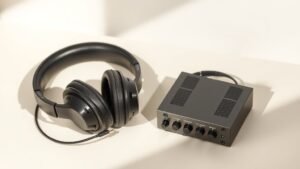
Why Some Headphones Need an Amp and Others Do Not
Some headphones sound perfectly fine plugged into a phone whilst others barely whisper until connected to proper amplification. After years
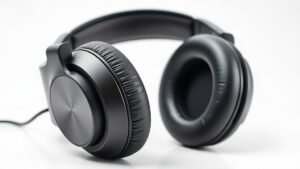
Headphone Sensitivity Explained: What dB SPL Really Means
Most headphone buyers focus on frequency response graphs while completely ignoring the specification that determines whether their amplifier can actually
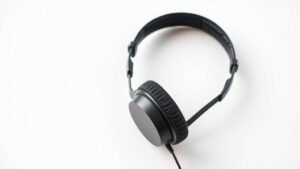
Headphone Burn-In: Real Effect or Audiophile Myth Explained
Some audio engineers swear headphone drivers change dramatically over their first hundred hours while others dismiss burn-in as pure placebo
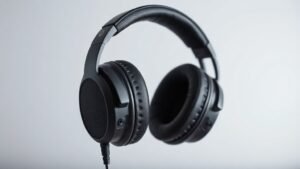
Why Open-Back Headphones Leak Sound – And Why That Is the Point
Open-back headphones leak sound because acoustic isolation destroys the very quality they are designed to deliver – natural soundstage depth
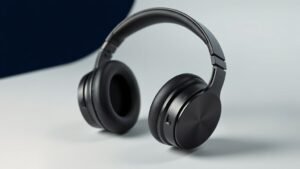
What is THD in Headphones and Why Does It Matter
Total harmonic distortion shapes every frequency your headphones produce yet remains the most misunderstood specification on any datasheet. Total harmonic
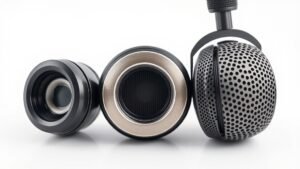
Headphone Drivers Explained: Dynamic vs Planar vs Electrostatic
The driver inside your headphones determines more about what you hear than the amplifier, source, or even the recording itself