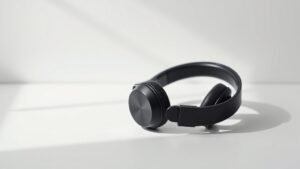
Battery Life in Wireless Headphones: Why Specs Do Not Tell the Truth
Sony claims 30 hours, Sennheiser promises 35, but your wireless headphones die after just 18 hours of normal use After
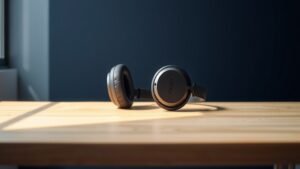
Why Comfort Beats Sound Quality During Long Audio Sessions
The most expensive headphones in your studio become worthless the moment they start causing pain during a six-hour mixing session.
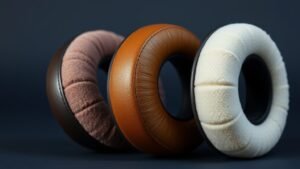
How Headphone Pad Material Changes the Sound You Hear
The cushions touching your ears are not just comfort accessories but active acoustic filters that reshape everything you hear through
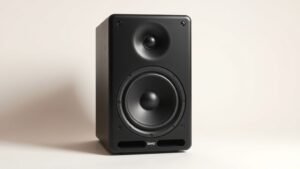
Reference vs Coloured Sound: Which Should You Choose
Choose reference monitors and your mixes might sound clinical, choose coloured speakers and your mixes might not translate—yet both approaches
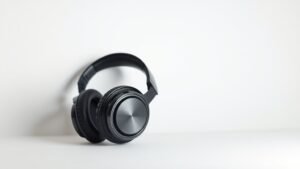
V-Shaped Sound Signature: What It Is and Who Should Buy It
V-shaped sound signature makes every track sound more exciting, but this tuning approach fundamentally changes how you hear recorded music.
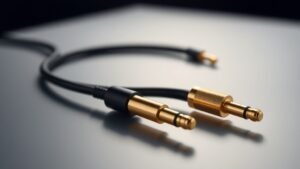
Headphone Cable Quality — Does It Actually Affect Sound?
The headphone cable industry generates millions selling upgrades that measure identically to basic cables while promising revolutionary sound improvements. After