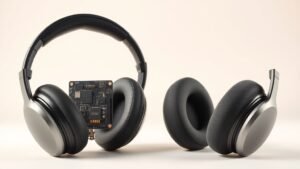
Active vs Passive Noise Cancellation: How They Actually Work
Most people think noise cancellation is just one technology, but the difference between active and passive approaches determines whether you
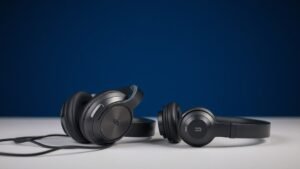
Why Bluetooth Headphones Sound Worse Than Wired Ones
Every wireless audio signal travels through a digital bottleneck that fundamentally changes what reaches your ears compared to the direct
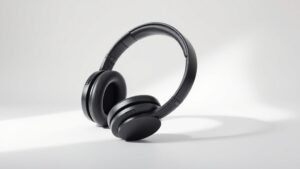
Latency in Wireless Headphones: Why Audio and Video Get Out of Sync
That annoying mismatch between lip movement and speech in wireless headphones happens because Bluetooth audio processing takes time—sometimes enough to
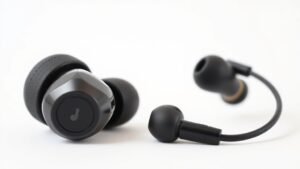
IEMs vs Earbuds: Driver Tech, Fit Design, and Sound Quality
Most people think in-ear monitors and earbuds are the same product with different price tags, but the engineering differences run
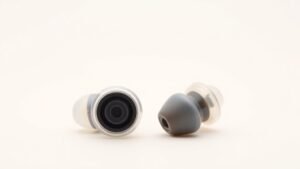
Single vs Multi-Driver IEMs: What Actually Matters for Sound
The number of drivers inside an IEM tells you almost nothing about how it will sound, yet marketing departments have

Why Your Headphones Sound Different on Different Devices
The same pair of headphones can sound bright and articulate from your audio interface yet muffled and compressed from your