Most mixing engineers discover too late that their headphone mix sounds completely different on speakers, revealing fundamental monitoring mistakes that destroy translation across playback systems.
Headphone monitoring demands a systematic approach that accounts for the unique way our ears process sound delivered directly to each ear canal. After fifteen years mixing on everything from budget closed-backs to reference-grade open designs, the difference between guessing and knowing your monitoring chain determines whether mixes translate properly to car stereos, phone speakers, and home systems.
This guide covers practical headphone monitoring techniques that deliver consistent results across different genres and mixing scenarios. We will examine frequency response compensation, reference switching methods, spatial processing considerations, and the critical listening habits that separate amateur from professional headphone mixing.
Understanding Headphone Frequency Response
Every headphone model colours sound through its unique frequency response curve, and successful monitoring requires understanding these characteristics intimately. The Sennheiser HD 600 exhibits a slight upper midrange presence that can make vocals appear more forward than they actually are in the mix, whilst the Audio-Technica ATH-M50x tends to emphasise bass response below 100Hz. Learning these signatures allows you to compensate mentally during mixing decisions.
Frequency response graphs tell only part of the story because they represent measurements taken with artificial heads that do not match your ear canal shape or hearing characteristics. Spend time with pink noise and sine wave sweeps through your monitoring headphones to identify resonant peaks and nulls in your specific listening setup. The Beyerdynamic DT 770 Pro often reveals a noticeable 8kHz peak that can lead to over-compensation by dulling cymbal presence, whilst the AKG K701 tends to create an impression of excessive air and space in the upper frequencies.
Proper headphone monitoring requires establishing a baseline reference using professionally mixed material you know intimately. Choose three to five commercial releases across different genres that represent excellent translation, then analyse how they sound through your headphones compared to studio monitors or high-quality speakers. This creates a mental calibration that helps identify when your mix deviates from proven standards.
Room Acoustics and Headphone Advantages
Headphones eliminate room acoustic problems that plague most home studios, providing direct access to mix details without early reflections, standing waves, or modal issues. This advantage becomes crucial when working in untreated spaces where speaker monitoring produces misleading bass buildup or midrange comb filtering. The isolation offered by closed-back designs like the Sony MDR-7506 allows critical listening even in noisy environments where speakers would require excessive volume levels.
However, this acoustic isolation creates different challenges for spatial perception and stereo imaging. Headphones present left and right channels in complete separation without the natural crossfeed that occurs when listening to speakers in a room. This can lead to exaggerated panning decisions and stereo effects that sound unnatural on conventional playback systems. Many engineers find that subtle panning moves and ambient effects require verification on speakers to ensure they translate properly.
Headphones reveal mix details that speakers mask, but they can also exaggerate problems that do not exist in real-world playback situations.
Reference Switching and Comparison Methods
Professional headphone monitoring relies on systematic reference switching between different headphone models and speaker systems throughout the mixing process. Keep at least two distinct headphone types available during sessions – typically one closed-back design for tracking and detail work, and one open-back model for mixing and spatial decisions. The Focal Spirit Professional provides excellent isolation for critical editing tasks, whilst something like the AKG K240 Studio offers a more speaker-like presentation for mix balance decisions.
Establish specific checkpoints during mixing where you switch between monitoring systems to verify translation. Low-end decisions made on headphones should always receive speaker verification, as headphone bass response rarely matches the way low frequencies interact with room acoustics. Similarly, reverb tails and ambient textures often sound more prominent on headphones than they will on typical consumer playback systems, requiring compensation through speaker reference checks.
Volume matching between different monitoring systems prevents loudness bias from affecting your judgments. Use a sound pressure level meter or rely on consistent monitoring levels – many engineers find that 75-85 dB SPL provides optimal balance between detail resolution and hearing protection during extended sessions. The key lies in maintaining consistent levels across all reference systems so that tonal balance comparisons remain valid.
Managing Stereo Field and Spatial Processing
Headphone monitoring requires special attention to stereo width and spatial effects because the complete channel separation creates an artificial listening environment. Panning decisions that sound perfectly balanced on headphones often appear too wide or disconnected when played through speakers. This occurs because speakers allow each ear to hear both left and right channels with natural timing and level differences, whilst headphones deliver each channel exclusively to one ear.
Compensate for this effect by being more conservative with hard panning moves and extreme stereo effects when mixing primarily on headphones. Centre-panned elements like lead vocals and bass should remain rock-solid in the phantom centre, but supporting elements may need to stay closer to centre than they would in a speaker-based mix. Pay particular attention to reverb returns and delay throws, as these effects can create an unnaturally wide soundscape that collapses when played through speakers with natural crossfeed.
Some engineers employ crossfeed circuits or plugins that simulate the acoustic interaction between left and right channels, creating a more speaker-like presentation through headphones. Products like the SPL Phonitor series provide adjustable crossfeed and speaker angle simulation, helping bridge the gap between headphone and speaker monitoring. However, these tools require careful calibration and may introduce their own colouration that affects mixing decisions.
Avoiding Listening Fatigue and Maintaining Perspective
Extended headphone sessions create listening fatigue more quickly than speaker monitoring because the drivers sit directly against your ears without the natural acoustic relief provided by room interaction. This fatigue manifests as dulled frequency perception, reduced dynamic sensitivity, and poor mix decisions that become obvious after taking breaks. Schedule regular monitoring breaks every 45-60 minutes, and alternate between headphone and speaker listening whenever possible.
Maintain multiple volume levels during headphone mixing to reveal different aspects of your mix balance. Quiet monitoring levels expose problems with vocal intelligibility and instrument separation, whilst moderate levels provide the most accurate frequency balance for tonal decisions. Occasional loud monitoring reveals mix elements that may be buried at normal levels, but extended loud listening on headphones can damage hearing and skew your perspective on dynamic balance.
The psychological effect of headphone isolation can lead to overthinking mix details that will not be audible on typical playback systems. Resist the temptation to fix every tiny imperfection revealed by close headphone monitoring – instead, focus on elements that remain audible when switching to lower-resolution monitoring systems. This approach ensures that your mixing decisions address real problems rather than artifacts of high-resolution headphone monitoring.
Mixing bass heavy material exclusively on headphones without speaker verification. Headphone bass response does not represent how low frequencies behave in rooms with real acoustic boundaries. Always check low-end balance on speakers or subwoofers to avoid bass-light mixes that lack impact on typical playback systems.
Using excessive stereo width effects because they sound impressive on headphones. Complete channel separation in headphones exaggerates stereo effects that may sound unnatural on speakers with crossfeed. Keep spatial effects subtle and verify their impact through speaker monitoring before finalising mix decisions.
Ignoring the frequency response characteristics of your specific headphone model. Every headphone design imposes its own sonic signature that affects mixing decisions. Learn your headphones through extensive listening to reference material, and compensate for known frequency response deviations during mixing sessions.
Conclusion
Successful headphone monitoring combines understanding your specific headphones with systematic reference techniques and realistic expectations about what headphones can and cannot reveal. Focus on the detail resolution advantages whilst compensating for spatial and frequency response limitations through speaker verification. Master these fundamentals and headphones become powerful mixing tools rather than sources of translation problems.
FREE DOWNLOAD
Stop Guessing. Start Buying Smart.
The specs that actually matter, demystified.
Headphones, microphones, the spec sheet jargon you can ignore — all in one quick-reference PDF. Free, instant, no fluff.
Send Me the CheatsheetYou'll also receive occasional new guide notifications. Unsubscribe anytime. No spam, ever.
About the author
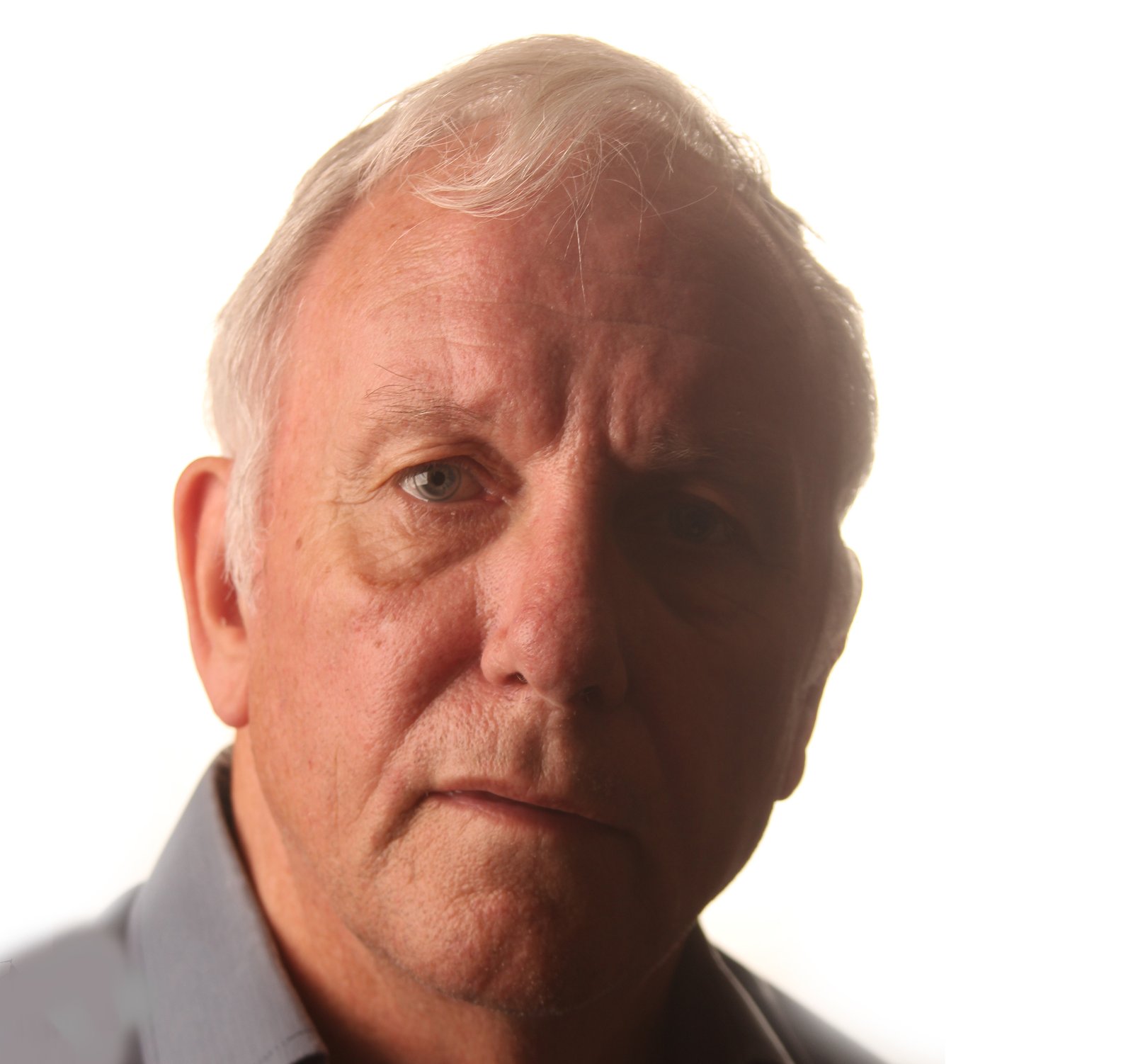
Phillip Strang is the founder and editor of AudioTechExpert. A lifelong audio enthusiast, he has spent years buying, using and living with headphones, microphones and audio gear across every price bracket — and built AudioTechExpert to give buyers the honest, jargon-free guidance he wished he'd had. He also writes crime and thriller fiction at phillipstrang.com.
More about Phillip →