The audiobook market has exploded, and crime writers who can produce their own narrations hold a significant advantage. Setting up a home recording studio on a budget isn’t about chasing perfection—it’s about achieving professional-quality audio without bankrupting your writing business.
Across eighteen series and more than 150 novels, I’ve learned that the same discipline required to craft compelling police procedural novels applies to building an effective recording setup. You need clear objectives, methodical execution, and the wisdom to know when good enough is actually good enough.
The Essential Equipment That Actually Matters
Forget the marketing nonsense about needing thousand-dollar microphones. A decent USB condenser microphone in the $100-200 range will serve most crime writers perfectly well. The Audio-Technica AT2020USB+ or the Blue Yeti have proven themselves in countless home studios. What matters more than the microphone’s price tag is your recording environment and technique.
Your computer likely already handles the processing power needed for basic recording and editing. Free software like Audacity or GarageBand provides everything required for audiobook production. I’ve seen writers waste months researching Pro Tools when they should have been recording their first chapter with whatever they had available.
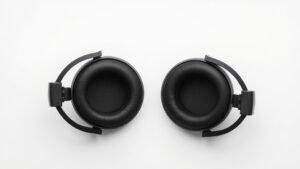
Closed-back headphones matter more than most beginners realize. You need to hear exactly what you’re recording, including mouth noises, background hum, and room reflections that will plague your finished product. Sony MDR-7506 headphones have been industry standard for decades because they reveal problems rather than hiding them behind flattering sound signatures.
Acoustic Treatment Without Professional Installation
The room kills more home recordings than bad equipment ever will. Hard surfaces create echoes and reflections that scream ‘amateur production’ to listeners. But acoustic treatment doesn’t require foam panels or construction work.
Record in your bedroom surrounded by clothes, blankets, and soft furnishings. Set up in a walk-in closet if you have one. I’ve recorded entire chapters of my DCI Isaac Cook series sitting in a makeshift booth created with heavy blankets hung from a clothing rack. The goal is absorbing reflections, not building a professional booth.
Moving blankets from hardware stores cost $30 each and provide excellent acoustic dampening. Create a small recording space by hanging them on three sides around your microphone position. This simple setup eliminates most room problems that would otherwise require expensive treatment.
Test your space by clapping your hands sharply. If you hear distinct echoes, you need more soft materials around your recording position. The difference between amateur and professional sound often comes down to eliminating that hollow, reverberant quality that untreated rooms impose on recordings.
My Working Approach to Budget Recording
I approach recording sessions with the same preparation I bring to writing. Before touching the microphone, I’ve marked my manuscript for breath points, identified challenging pronunciations, and established my character voices. This preparation prevents costly mistakes that eat into studio time—even home studio time.
My recording routine follows a strict pattern: fifteen minutes of vocal warm-ups, microphone positioning checks, and a practice paragraph to establish levels. I record in twenty-minute segments maximum, which prevents vocal fatigue and maintains consistency throughout long sessions.
When working on the Maya Thorne series, I discovered that recording early morning produced my most consistent vocal quality. Your voice changes throughout the day, and establishing optimal recording times prevents wasted sessions where nothing sounds quite right.
I edit as I go rather than recording entire chapters then fixing problems later. This approach catches issues immediately when I remember exactly what went wrong. Waiting until later to edit means rediscovering problems and often settling for lower quality rather than re-recording.
Backup everything immediately. Hard drives fail, computers crash, and losing hours of recording work teaches expensive lessons. I maintain three copies of every session: working drive, external backup, and cloud storage. This might seem excessive until you lose a day’s work to technical failure.
Common Budget Studio Mistakes That Waste Money and Time
New recording enthusiasts consistently make predictable errors that drain budgets without improving results. The biggest mistake involves buying expensive equipment before understanding basic recording principles. A $500 microphone sounds terrible in a reflective room, while a $100 microphone sounds professional in properly treated space.
Many writers position themselves incorrectly relative to their microphone, creating inconsistent levels and tone changes throughout their recording. Maintaining exact distance and angle requires discipline, but this consistency separates professional-sounding recordings from obvious amateur productions.
Overprocessing audio represents another common trap. Beginning recordists apply excessive noise reduction, compression, and equalization, creating unnatural-sounding speech. Clean, consistent recording requires minimal processing, while problem recordings rarely improve through heavy editing.
Ignoring the importance of consistent input levels causes major problems during editing. Some writers record too quietly, requiring gain boosts that introduce noise, while others record too loudly, creating distortion. Learning proper level setting prevents most technical issues that plague home recordings.
The false economy of skipping monitoring equipment costs more in the long run. Writers who attempt recording without proper headphones miss problems that require complete re-recording later. Similarly, those who avoid acoustic treatment spend countless hours trying to fix room problems in post-production rather than preventing them during recording.
Scaling Your Setup as Your Budget Allows
Smart budget allocation focuses on addressing your biggest current limitation rather than upgrading randomly. If your recordings sound hollow despite decent equipment, invest in acoustic treatment before buying a better microphone. If background noise intrudes despite good acoustics, consider upgrading your recording interface or microphone.
Audio interfaces become worthwhile when you outgrow USB microphones or need multiple input capabilities. The Focusrite Scarlett Solo provides professional connectivity for under $150, opening access to XLR microphones and phantom power. This upgrade path makes sense once you’ve mastered recording fundamentals.
Professional microphones justify their cost only when everything else in your signal chain supports their quality level. Moving from a capable USB microphone to an expensive condenser microphone makes little difference if your room acoustics or monitoring remain inadequate.
Consider your recording volume when planning upgrades. Writers producing one audiobook yearly have different needs than those planning monthly releases. The Steve Case series required extensive dialogue and character voices, justifying investment in better monitoring equipment to ensure consistency across multiple recording sessions.
Software upgrades often provide less improvement than hardware changes for home recording. Free options like Audacity handle professional audiobook production effectively. Expensive software becomes worthwhile only when you need specific features that free alternatives lack, not because expensive automatically means better.
Building relationships with local audio professionals can provide upgrade guidance tailored to your specific needs and budget constraints. Many offer consultation services or equipment testing opportunities that prevent expensive mistakes. The action thriller genre demands precise audio timing, and professional input helped me optimize my setup for this specialized work.
Conclusion
Effective home recording comes down to understanding fundamentals rather than accumulating expensive equipment. Focus on consistent technique, proper acoustics, and gradual improvements based on actual limitations rather than imagined needs. Your first audiobook won’t sound perfect, but it will sound professional enough to serve your audience while you develop expertise.
About Phillip Strang
Phillip Strang is an Australian crime and thriller novelist. Across eighteen series and more than 150 novels, his work spans London police procedurals (DCI Isaac Cook), UK investigations (DI Tremayne), Australian outback crime (Maya Thorne), FBI thrillers (Alex Harlan), Scottish Highland mysteries (DI Sarah Lynch), and espionage (Steve Case). Learn more about Phillip or browse his complete catalogue on Amazon.
FREE DOWNLOAD
Stop Guessing. Start Buying Smart.
The specs that actually matter, demystified.
Headphones, microphones, the spec sheet jargon you can ignore — all in one quick-reference PDF. Free, instant, no fluff.
Send Me the CheatsheetYou'll also receive occasional new guide notifications. Unsubscribe anytime. No spam, ever.