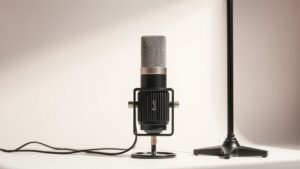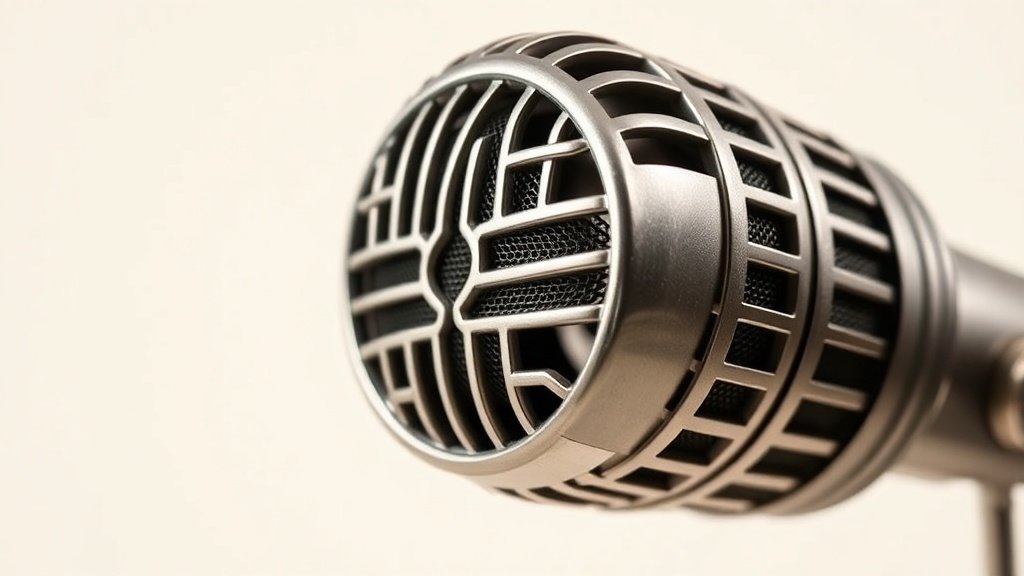
A ribbon microphone contains a metal strip thinner than human hair suspended between powerful magnets, creating one of the most fragile transducers in professional audio.
Ribbon microphones occupy a unique position in recording studios for their warm, natural sound character that digital processing cannot replicate. These vintage-style transducers work fundamentally differently from condenser and dynamic microphones, using an ultra-thin aluminium ribbon suspended in a magnetic field to convert sound waves into electrical signals. This elegant design creates their distinctive smooth frequency response and figure-eight polar pattern.
Understanding why ribbon microphones require special handling involves examining their construction, the physics of their operation, and the specific failure points that make them vulnerable. This guide explains the mechanical and electrical factors that make ribbons delicate, identifies the most common causes of damage, and provides practical strategies for protecting these valuable studio tools.
The Physics Behind Ribbon Fragility
The ribbon element itself measures approximately 2 micrometers thick, roughly one-fiftieth the thickness of human hair. This aluminium strip stretches between two powerful neodymium or alnico magnets, held under precise tension that determines the microphone frequency response and sensitivity. When sound waves move this ribbon within the magnetic field, it generates a tiny electrical signal through electromagnetic induction. The ribbon must remain perfectly flat and uniformly tensioned across its entire surface to function correctly.
Any physical distortion to the ribbon destroys this delicate balance permanently. Unlike dynamic microphone diaphragms that can flex and return to their original shape, ribbon elements have no elasticity. Once stretched, creased, or torn, the ribbon cannot recover its original tension or flatness. Modern ribbon microphones like the Royer R-121 or AEA R84 use specially treated aluminium alloys to improve durability, but the fundamental physics cannot change – thinner ribbons produce better frequency response but increase fragility exponentially.
The magnetic assembly compounds this vulnerability. Strong magnets create the magnetic field necessary for signal generation, but they also attract any ferromagnetic particles in the air. Dust, metal filings, or other magnetic debris drawn into the ribbon assembly can tear the element or alter its position within the magnetic gap. The precision required for proper ribbon positioning means even microscopic contamination affects performance.
Common Damage Scenarios
Phantom power represents the most catastrophic threat to ribbon microphones. When phantom power energises a ribbon microphone, the DC voltage drives current through the ribbon element far beyond its design limits. This current creates heat that instantly vaporises sections of the ultra-thin aluminium, leaving permanent gaps that destroy the microphone. Even brief phantom power exposure can cause irreversible damage, making this the leading cause of ribbon microphone failures in professional studios.
Physical shock poses another significant risk. Dropping a ribbon microphone, allowing it to fall over on a stand, or subjecting it to vibration during transport can stretch or tear the ribbon element. The Coles 4038 ribbon microphone, despite its robust exterior construction, remains vulnerable to internal damage from impacts that would not affect a Shure SM57 or similar dynamic microphone. Recording engineers learn to treat ribbon microphones with the same care reserved for vintage guitars or other irreplaceable instruments.
Extreme sound pressure levels can also damage ribbon elements through acoustic overload. High-volume sources like kick drums, guitar amplifiers, or brass instruments played close to the microphone can drive the ribbon beyond its mechanical limits. The ribbon may not tear immediately but develops permanent deformation that affects frequency response and sensitivity. This gradual degradation often goes unnoticed until the microphone no longer captures the smooth, natural sound that made it valuable.
The ribbon element measures approximately 2 micrometers thick, roughly one-fiftieth the thickness of human hair suspended between powerful magnets.
Environmental Factors and Ribbon Degradation
Temperature and humidity fluctuations stress ribbon elements through thermal expansion and contraction cycles. Studios with poor climate control subject ribbon microphones to constant tension changes as the aluminium ribbon expands and contracts with temperature variations. Over time, these cycles weaken the ribbon material and alter its resonant characteristics. Professional facilities maintain stable temperature and humidity specifically to protect sensitive equipment like ribbon microphones, tape machines, and vintage synthesisers.
Corrosion presents a long-term threat that develops gradually over years of use. Aluminium ribbon elements can develop oxidation when exposed to moisture or chemical vapours present in some studio environments. This corrosion typically begins at the ribbon edges where mechanical stress concentrates, then spreads across the element surface. The Beyerdynamic M 160 and other ribbon microphones designed for broadcast use incorporate protective measures against environmental contamination, but no ribbon microphone can withstand prolonged exposure to corrosive conditions.
Air movement from ventilation systems, air conditioning, or even movement around the microphone can fatigue ribbon elements over extended periods. While ribbons must move freely to function, constant air currents cause continuous micro-movements that gradually weaken the element structure. Studios often position ribbon microphones away from air vents and use windscreens or acoustic barriers to minimise unwanted air movement during long recording sessions.
Electrical Vulnerabilities
Ribbon microphones generate extremely low output levels, typically 10 to 20 dB lower than condenser microphones. This low sensitivity requires high-gain preamp settings that can expose ribbons to electrical interference and ground loop problems. More importantly, the electrical impedance characteristics of ribbon microphones make them susceptible to damage from impedance mismatches, cable faults, and power supply irregularities that would not affect other microphone types.
The step-up transformer used in most ribbon microphones provides impedance matching and signal boost, but it also creates another failure point. Transformer saturation from excessive input levels can reflect high voltages back to the ribbon element, causing electrical damage even without phantom power. Modern active ribbon microphones like the Golden Age Project R1 incorporate protective circuitry, but passive designs remain vulnerable to electrical faults throughout the signal chain.
Cable handling requires special attention with ribbon microphones. Jerking or pulling microphone cables can create voltage spikes through inductive effects that damage sensitive ribbon elements. Professional engineers use high-quality cables with proper strain relief and avoid connecting or disconnecting ribbon microphones while preamps remain powered. These precautions prevent electrical transients that can destroy ribbons instantly.
Protection Strategies and Best Practices
Successful ribbon microphone protection begins with establishing clear handling protocols. Every person who might encounter the microphone should understand phantom power dangers, proper mounting techniques, and transport procedures. Studios often use dedicated ribbon microphone stands with locking mechanisms and clearly marked phantom power switches or separate preamp channels reserved for ribbon use only.
Storage requires as much attention as active use. Ribbon microphones should remain in their original cases or purpose-built shock-mounted storage systems. Laying ribbon microphones on their sides or storing them in generic cases allows the ribbon element to sag over time, permanently altering tension and frequency response. Some engineers store valuable ribbon microphones like the RCA 44 in climate-controlled cases similar to those used for rare instruments.
Regular professional maintenance extends ribbon microphone life significantly. Qualified technicians can inspect ribbon elements, check magnetic assembly alignment, and identify early signs of degradation before complete failure occurs. Companies like AEA and Royer Labs offer ribbon re-tensioning services that can restore vintage microphones to original performance specifications, but prevention remains more cost-effective than repair.
Assuming ribbon microphones can handle the same treatment as dynamic microphones. Ribbons require handling protocols similar to vintage instruments, with dedicated storage, transport cases, and clear operational procedures that everyone follows consistently.
Using phantom power switches without checking microphone types first. Always verify that phantom power remains off before connecting ribbon microphones, and establish channel assignments that prevent accidental phantom power activation during sessions.
Ignoring environmental factors like air movement and temperature changes. Position ribbon microphones away from ventilation systems and maintain stable studio conditions to prevent mechanical stress and gradual ribbon degradation over time.
Conclusion
Ribbon microphones demand careful handling because their fundamental operating principle relies on an impossibly thin metal element suspended in precise magnetic alignment. Understanding these physical constraints allows engineers to capture the unique sonic character ribbons provide while avoiding the common mistakes that destroy these valuable tools. Proper protocols, dedicated storage, and environmental awareness keep ribbon microphones functioning reliably for decades of professional service.

FREE DOWNLOAD
Stop Guessing. Start Buying Smart.
The specs that actually matter, demystified.
Headphones, microphones, the spec sheet jargon you can ignore — all in one quick-reference PDF. Free, instant, no fluff.
Send Me the CheatsheetYou'll also receive occasional new guide notifications. Unsubscribe anytime. No spam, ever.