Choose the wrong microphone type and even perfect technique cannot save the recording from fundamental capture problems that editing cannot fix.
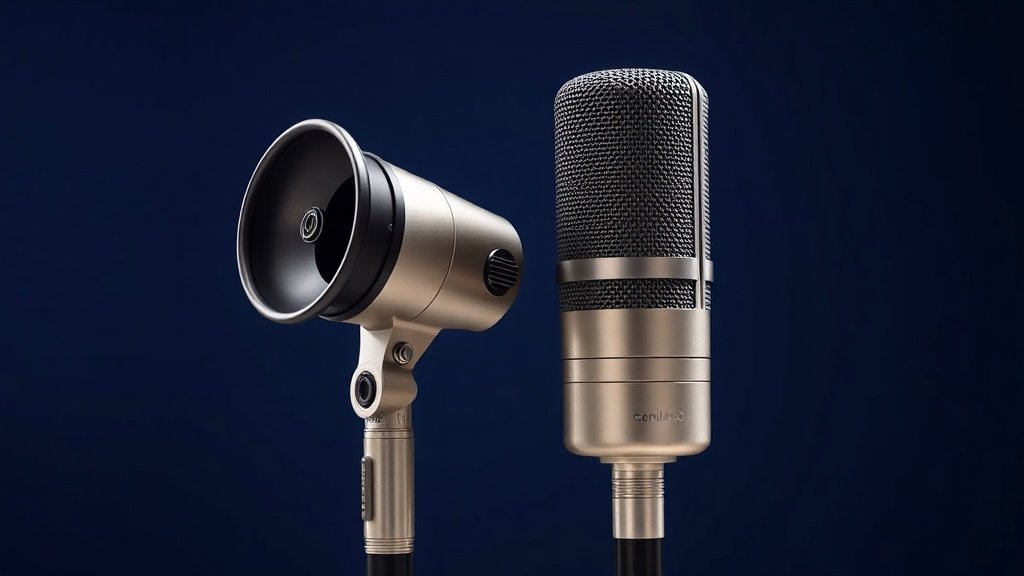
After years of obsessively buying, using and comparing audio gear, I can tell you that the difference between condenser and dynamic microphones goes far deeper than price points or studio prestige. These represent two completely different approaches to converting sound waves into electrical signals, each with distinct strengths that determine when they excel and when they fail.
This guide examines the core engineering differences between condenser and dynamic microphones, explains their practical applications in recording scenarios, and provides specific guidance for choosing the right type based on your source material and recording environment.
How Condenser Microphones Work
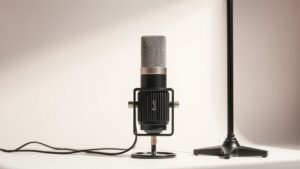
Condenser microphones operate on the principle of variable capacitance between two charged plates. The front plate, an extremely thin diaphragm typically made from gold-sputtered plastic, sits mere micrometres from a fixed backplate. When sound waves strike the diaphragm, it moves closer to and further from the backplate, creating capacitance changes that generate the electrical signal. This design requires phantom power from your audio interface or mixer to maintain the electrical charge, typically 48 volts.
The Rode Procaster represents a modern large-diaphragm condenser that demonstrates these principles clearly. Its 25mm capsule responds to minute air pressure changes with exceptional detail, capturing frequencies from 20Hz to 20kHz with remarkable accuracy. The Audio-Technica AT2020 offers similar performance at a lower price point, making condenser technology accessible while maintaining the fundamental benefits of the design.
This construction creates inherent advantages and limitations. The lightweight diaphragm responds quickly to transient sounds like drum hits or consonant sounds in vocals, but the same sensitivity makes condenser microphones vulnerable to handling noise, wind, and electrical interference. The need for phantom power also means they cannot function with simple battery-powered recorders or older equipment lacking proper power supplies.
How Dynamic Microphones Work
Dynamic microphones use electromagnetic induction to generate their signal, requiring no external power. A diaphragm connected to a coil of wire sits within a magnetic field. When sound waves move the diaphragm, the coil moves through the magnetic field, generating electrical current directly. This passive design makes dynamic microphones incredibly robust and immune to electrical interference.
The Shure SM57 exemplifies dynamic microphone construction with its moving-coil design optimised for instruments and vocals. Its frequency response peaks around 5kHz to enhance presence while rolling off high frequencies that might capture unwanted room noise. The Electro-Voice RE20, favoured in broadcast applications, uses a different approach with its Variable-D technology to maintain consistent tone regardless of distance from the source.
Dynamic microphones excel in challenging environments where condenser microphones would fail. They handle extreme sound pressure levels without distortion, reject background noise effectively, and continue working in temperature and humidity conditions that would damage sensitive condenser capsules. However, they typically require more gain from your preamp and may not capture the subtle details that condenser microphones reveal.
The microphone type determines the fundamental character of your recording before any processing or technique comes into play.
Frequency Response and Sensitivity Differences
Condenser microphones generally exhibit wider frequency response and higher sensitivity than their dynamic counterparts. A typical large-diaphragm condenser like the Neumann TLM 102 captures frequencies from 20Hz to 20kHz with relatively flat response, making it suitable for sources requiring full-spectrum capture. The high sensitivity means it produces strong output levels with minimal preamp gain, reducing noise in your signal chain.
Dynamic microphones often have more coloured frequency responses that can benefit certain sources. The aforementioned SM57 deliberately emphasises midrange frequencies where guitar amplifiers and snare drums have their fundamental energy, while reducing low-end rumble and excessive high-frequency detail that might sound harsh. This tailored response acts as built-in equalisation for appropriate sources.
The sensitivity difference affects practical recording scenarios significantly. Condenser microphones pick up room acoustics, air conditioning noise, and distant sounds that dynamic microphones naturally reject. In untreated rooms or noisy environments, this sensitivity becomes a liability rather than an advantage, making dynamic microphones the superior choice despite their technical limitations.
Practical Applications for Each Type
Condenser microphones shine in controlled studio environments for sources requiring detail and accuracy. Vocal recording benefits from their ability to capture breath sounds, lip smacks, and the subtle harmonics that give voices character. Acoustic instruments like piano, acoustic guitar, and orchestral instruments reveal their full complexity through quality condenser microphones. The AKG C414 has remained a studio standard precisely because it captures these nuances while offering multiple polar patterns for different recording situations.
Dynamic microphones prove superior for live performance, loud sources, and challenging acoustic environments. Electric guitar amplifiers, drum kits, and brass instruments often sound better through dynamic microphones because their natural frequency shaping complements these sources while rejecting stage noise and feedback. The Sennheiser MD 421 has dominated tom and guitar cabinet recording for decades because its frequency response and handling characteristics suit these applications perfectly.
Consider your recording environment honestly when choosing between types. Home studios in bedrooms or living spaces typically benefit more from dynamic microphones despite the perceived prestige of condenser models. The background noise rejection and reduced sensitivity to room acoustics often produce cleaner recordings than expensive condensers in poor acoustic spaces.
Making the Right Choice for Your Needs
Your source material should drive the decision more than abstract notions about which type sounds more professional. Loud, energetic sources with limited frequency ranges often benefit from dynamic microphones that naturally shape the sound appropriately. Delicate sources requiring full frequency capture need condenser microphones despite their additional requirements and sensitivities.
Budget considerations extend beyond the microphone price itself. Condenser microphones require audio interfaces with phantom power and often benefit from higher-quality preamps to realise their potential. Dynamic microphones work with basic equipment but may require preamps with substantial gain to achieve proper recording levels. The Cloudlifter CL-1 has become popular precisely because it provides clean gain boost for dynamic microphones used with interfaces having limited headroom.
Environmental factors often override technical preferences in real-world applications. Outdoor recording, live performance, and untreated rooms favour dynamic microphones regardless of the source material. Conversely, quiet studios with proper acoustic treatment allow condenser microphones to demonstrate their superior technical capabilities without the drawbacks becoming problematic.
Using condenser microphones in noisy or untreated rooms expecting studio-quality results. The high sensitivity that makes condenser microphones excellent in controlled environments becomes a liability when they capture air conditioning, computer fans, and room reflections. Choose dynamic microphones for problematic acoustic spaces.
Assuming expensive condenser microphones automatically produce better recordings than dynamic models. Source material and recording environment matter more than microphone cost or type. A well-chosen dynamic microphone often produces superior results to an inappropriate condenser selection.
Neglecting preamp requirements when choosing microphone types. Dynamic microphones typically need more gain than condenser models, and poor preamps add noise when pushed hard. Budget for appropriate amplification that matches your microphone choice rather than maxing out on the microphone alone.
Conclusion
Understanding condenser and dynamic microphone differences allows informed decisions based on your specific recording needs rather than assumptions about which type sounds more professional. Match the microphone design to your source material, recording environment, and equipment capabilities. The right choice captures your intended sound effectively while the wrong choice fights you regardless of technique or post-processing skill.

FREE DOWNLOAD
Stop Guessing. Start Buying Smart.
The specs that actually matter, demystified.
Headphones, microphones, the spec sheet jargon you can ignore — all in one quick-reference PDF. Free, instant, no fluff.
Send Me the CheatsheetYou'll also receive occasional new guide notifications. Unsubscribe anytime. No spam, ever.