Most engineers can spot a mix done on consumer headphones within the first few bars, not because the music sounds bad, but because certain frequency problems only appear when you monitor on gear that lies to you.
After years of obsessively buying, using and comparing audio gear, I have learned that headphones selection matters more than most engineers realise. The difference between professional mixing headphones and consumer models is not about price tags or brand prestige, but about how accurately they reproduce the frequency spectrum and stereo field.
This guide covers the technical specifications that actually matter, the practical considerations for long mixing sessions, and how to match headphones to your specific mixing environment and musical genres.
Frequency Response: The Foundation of Mixing Headphones
The most critical aspect of mixing headphones is a flat, neutral frequency response across the audible spectrum. Unlike consumer headphones that emphasise bass or treble to sound impressive, mixing headphones should reproduce audio without editorial comment. The Sennheiser HD 650 exemplifies this approach with its famously flat midrange and controlled low-end response, making it possible to hear mix balance issues clearly.
However, perfectly flat response curves exist more in marketing materials than reality. What matters is consistent, predictable behaviour across frequencies. The Beyerdynamic DT 770 Pro, despite its slightly bright treble signature, remains a studio standard because engineers learn its characteristics and compensate accordingly. The key is choosing headphones with known, documented response curves rather than chasing theoretical perfection.
Pay attention to how manufacturers present frequency response graphs. Reputable companies like AKG show detailed measurements with realistic tolerances, whilst consumer brands often present smoothed curves that hide problematic peaks and dips. The AKG K701 provides an excellent example of transparent engineering documentation that helps engineers make informed decisions.
Open-Back vs Closed-Back: Monitoring Philosophy
The choice between open-back and closed-back designs fundamentally affects mixing workflow and sound quality. Open-back headphones like the Audio-Technica ATH-R70x create a more natural, spacious soundstage that makes stereo imaging easier to evaluate. The open design prevents pressure buildup inside the ear cups, reducing fatigue during extended mixing sessions.
Closed-back designs such as the Sony MDR-7506 offer isolation from external noise and prevent sound leakage to microphones during overdub sessions. However, closed-back headphones typically exhibit more resonant behaviour and can create a sense of claustrophobia during long mixing sessions. The trade-off between isolation and natural sound reproduction depends entirely on your studio environment and workflow requirements.
Consider your typical mixing environment when making this choice. Home studios in noisy environments benefit from closed-back isolation, whilst purpose-built mixing rooms with proper acoustic treatment allow the advantages of open-back designs to shine. The Focal Clear represents the pinnacle of open-back mixing headphones, offering exceptional transparency at a professional price point.
The difference between professional mixing headphones and consumer models is not about price tags, but about how accurately they reproduce the frequency spectrum.
Impedance and Amplification Requirements
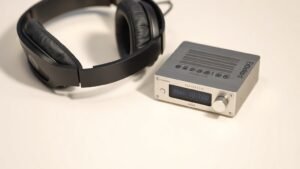
Headphone impedance directly affects how they interact with your audio interface or dedicated headphone amplifier. Low-impedance headphones below 80 ohms, such as the Audio-Technica ATH-M50x at 38 ohms, draw more current and work well with portable devices and basic audio interfaces. High-impedance models like the Beyerdynamic DT 880 Pro at 250 ohms require proper amplification to reach optimal performance levels.
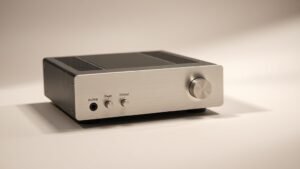
Most professional audio interfaces provide adequate power for moderate impedance headphones, but high-impedance models often sound compressed and lacking in dynamic range when under-powered. The difference becomes immediately apparent when comparing the same headphones through a basic interface versus a dedicated headphone amplifier like the Lake People G111 or SPL Phonitor series.
Impedance matching affects more than just volume levels. Properly driven high-impedance headphones typically exhibit better control over driver movement, resulting in tighter bass response and clearer transient reproduction. This technical advantage translates directly into more accurate mixing decisions, particularly when evaluating low-frequency balance and percussion elements.
Comfort and Ergonomics for Extended Sessions
Physical comfort becomes paramount during mixing sessions that extend beyond two hours. Headphone weight, clamping force, and ear pad materials directly affect concentration and mixing accuracy. The Sennheiser HD 600 series achieves exceptional comfort through lightweight construction and carefully engineered clamping force that maintains seal without excessive pressure.
Ear pad design influences both comfort and acoustic performance. Velour pads like those found on AKG and Beyerdynamic models provide better breathability during long sessions, whilst leather pads offer superior isolation but can become uncomfortable in warm environments. Replace ear pads regularly, as compressed or worn pads alter the acoustic signature and reduce comfort significantly.
Headband padding and adjustment mechanisms affect weight distribution across the skull. Well-designed headphones distribute weight evenly, preventing pressure points that develop into headaches during extended use. The modular design of headphones like the Austrian Audio Hi-X55 allows for easy replacement of comfort components, extending the useful life of professional monitoring tools.
Stereo Imaging and Soundstage Characteristics
Accurate stereo imaging enables precise placement of elements within the mix panorama. Quality mixing headphones should present a wide, stable soundstage where instruments occupy distinct spatial positions rather than existing as a vague wall of sound. The Grado SR325x demonstrates excellent imaging precision, making it easy to identify panning positions and stereo width adjustments.
Soundstage depth allows evaluation of reverb tails, ambient recordings, and the front-to-back positioning of mix elements. Open-back designs typically excel in this area, with models like the Hifiman Sundara providing exceptional depth reproduction that rivals near-field monitor speakers. This spatial accuracy becomes crucial when mixing genres that rely heavily on atmospheric elements and spatial effects.
Cross-talk between left and right channels can blur stereo imaging and make mixing decisions less precise. High-quality headphones maintain excellent channel separation, allowing subtle panning moves and stereo enhancement techniques to be evaluated accurately. Professional models undergo rigorous testing to ensure minimal cross-talk across the frequency spectrum.
Choosing headphones based on bass response alone leads to mixes that sound thin on other systems. Extended low-frequency response without proper control creates false impressions of bass balance. Focus on accuracy and control rather than maximum extension when evaluating low-frequency performance.
Ignoring impedance requirements results in underpowered headphones that cannot reveal mix details. High-impedance headphones sound compressed and dynamically limited when driven by insufficient amplification. Match headphone impedance to your available amplification power for optimal performance.
Assuming expensive headphones automatically provide better mixing accuracy creates unrealistic expectations. Price often reflects build quality and brand positioning rather than mixing suitability. Research frequency response measurements and professional reviews rather than relying on price as a quality indicator.
Conclusion
Selecting appropriate mixing headphones requires balancing technical specifications with practical workflow requirements. Prioritise flat frequency response, adequate amplification, and long-term comfort over impressive bass response or premium materials. The right headphones become transparent tools that reveal mix problems rather than impressive devices that colour the sound.
FREE DOWNLOAD
Stop Guessing. Start Buying Smart.
The specs that actually matter, demystified.
Headphones, microphones, the spec sheet jargon you can ignore — all in one quick-reference PDF. Free, instant, no fluff.
Send Me the CheatsheetYou'll also receive occasional new guide notifications. Unsubscribe anytime. No spam, ever.