
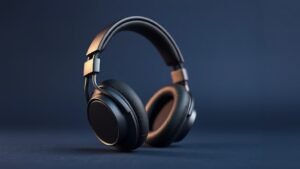
Soundstage and Imaging Explained: Why Width and Depth Matter
Two headphones can measure identically on paper yet create completely different spatial experiences that separate satisfying audio from truly immersive
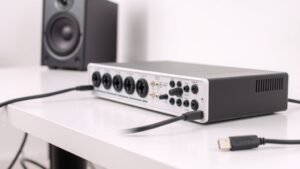
How to Reduce Recording Latency — Causes and Solutions Guide
Every millisecond of delay between hitting a note and hearing it back transforms confident musicians into hesitant performers struggling to
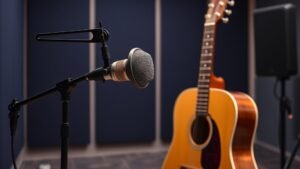
How to Record Acoustic Guitar: Microphone Selection Guide
The difference between a guitar recording that sounds like music and one that sounds like cardboard often comes down to
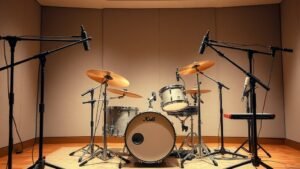
How to Mic a Drum Kit — A Complete Guide for Home Studios
Most home recordings fail because engineers treat drum miking like placing decorations rather than capturing acoustic energy in three-dimensional space.
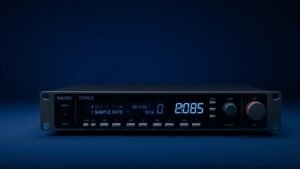
Sample Rate and Bit Depth Explained: Recording Settings Guide
Every recording session begins with two numbers that determine whether the final mix sounds professional or falls short of broadcast
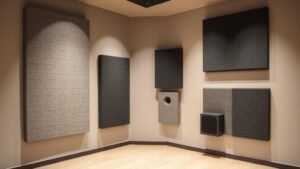
How to Treat a Room for Better Audio — Acoustic Treatment Basics
Most home studios sound terrible not because of bad gear, but because untreated rooms turn great monitors into misleading liars