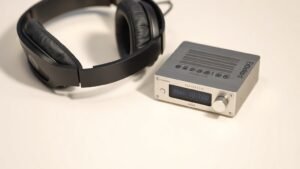
Should You Upgrade Your Headphones or Your Source First
Upgrading the wrong component first is one of the most common and expensive mistakes in audio, and the signal chain does not care how much you spent on your headphones
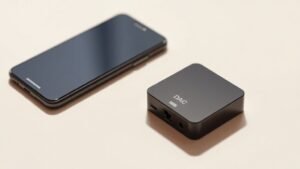
How to Choose a Portable Headphone DAC for Phone Use
A phone that cannot drive your headphones properly will make even a five-hundred-pound pair of cans sound flat, compressed, and lifeless — and a portable DAC is the single most
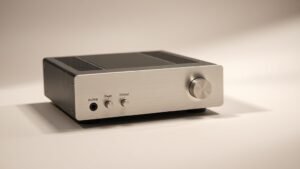
How to Choose a Headphone Amp Under Two Hundred Pounds
A headphone amp under two hundred pounds can make a genuine, audible difference to your listening experience, but only if you match the amp to your headphones and your actual
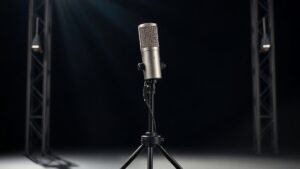
How to Record Live Performances: Direct, Ambient, or Both
The difference between a live recording that feels alive and one that sounds like a rehearsal tape almost always comes down to a single decision made before anyone plays a
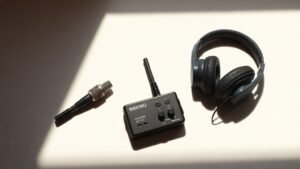
How to Set Up a Mobile Recording Rig for Travel
A mobile recording rig built without a clear signal chain in mind will cost you more in failed sessions than any gear upgrade ever could. Setting up a mobile recording
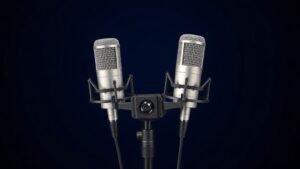
How to Record Stereo Ambience: Outdoor and Indoor Approaches
Stereo ambience is one of the most underestimated elements in audio production — get it right and it transforms a recording from flat and lifeless into something that feels genuinely
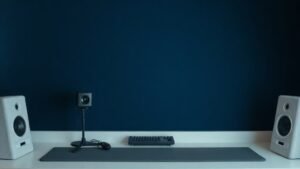
How to Tune a Room for Mixing Without Expensive Gear
The room you mix in is shaping every decision you make at the fader, and most of the time it is lying to you in ways that headphones simply cannot
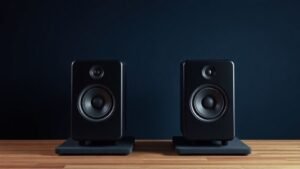
How to Calibrate Studio Monitors by Ear Without Tools
Most engineers assume that calibrating studio monitors requires a measurement microphone and analysis software, but a trained pair of ears and a methodical approach can get you remarkably close to
How to Record Foley and Sound Effects at Home
The distance between a convincing sound effect and a useless one is almost never about the source material. It is about how you capture it. Foley recording has been a
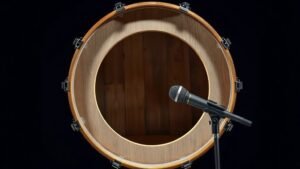
How to Mic a Kick Drum: Inside, Outside, or Both
The kick drum sits at the physical and sonic foundation of almost every recorded track, and where you place the microphone determines whether that foundation feels solid or hollow, present
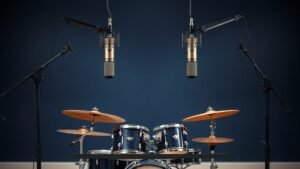
Overhead Drum Mic Techniques: Spaced Pair, XY, Recorderman
The overhead microphones on a drum kit do not simply capture cymbals — they define the entire spatial image of the kit, and the technique you choose shapes everything from
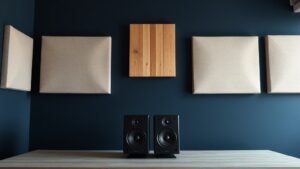
Diffusers vs Absorbers: When to Use Each in Your Studio
Most studios get treated rooms wrong not because the gear is bad but because the engineer reached for absorbers when the room needed diffusers, or worse, used both indiscriminately and
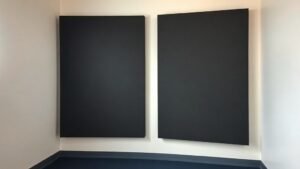
How to Use Bass Traps Properly in a Small Studio
Place a bass trap in the wrong position and you will spend money on foam that does almost nothing while low-end problems continue to wreck every mix you try to
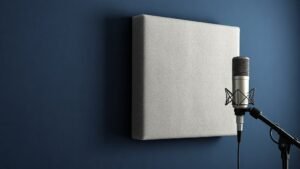
How to Treat a Bedroom for Recording: Step-by-Step
An untreated bedroom does not just sound bad on its own terms — it actively works against you, adding reflections and low-frequency build-up that no plugin or equaliser can fully
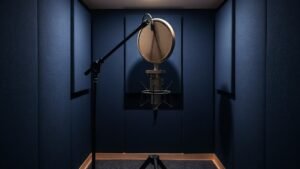
How to Build a Vocal Booth at Home: Cheap to Pro Options
A room that sounds terrible on its own will still sound terrible through a thousand-pound microphone, and no amount of processing after the fact will fully undo what the walls